
Many overseas pet stores, wholesalers, importers, and e-commerce sellers do not need only one product. They often need a practical assortment: dog shoes, collars and leashes, toys, bowls, beds, grooming items, cat teaser wands, litter products, cleaning supplies, seasonal accessories, and private label packaging. The challenge is that each category has different materials, MOQ, packaging, quality checkpoints, and delivery timing.
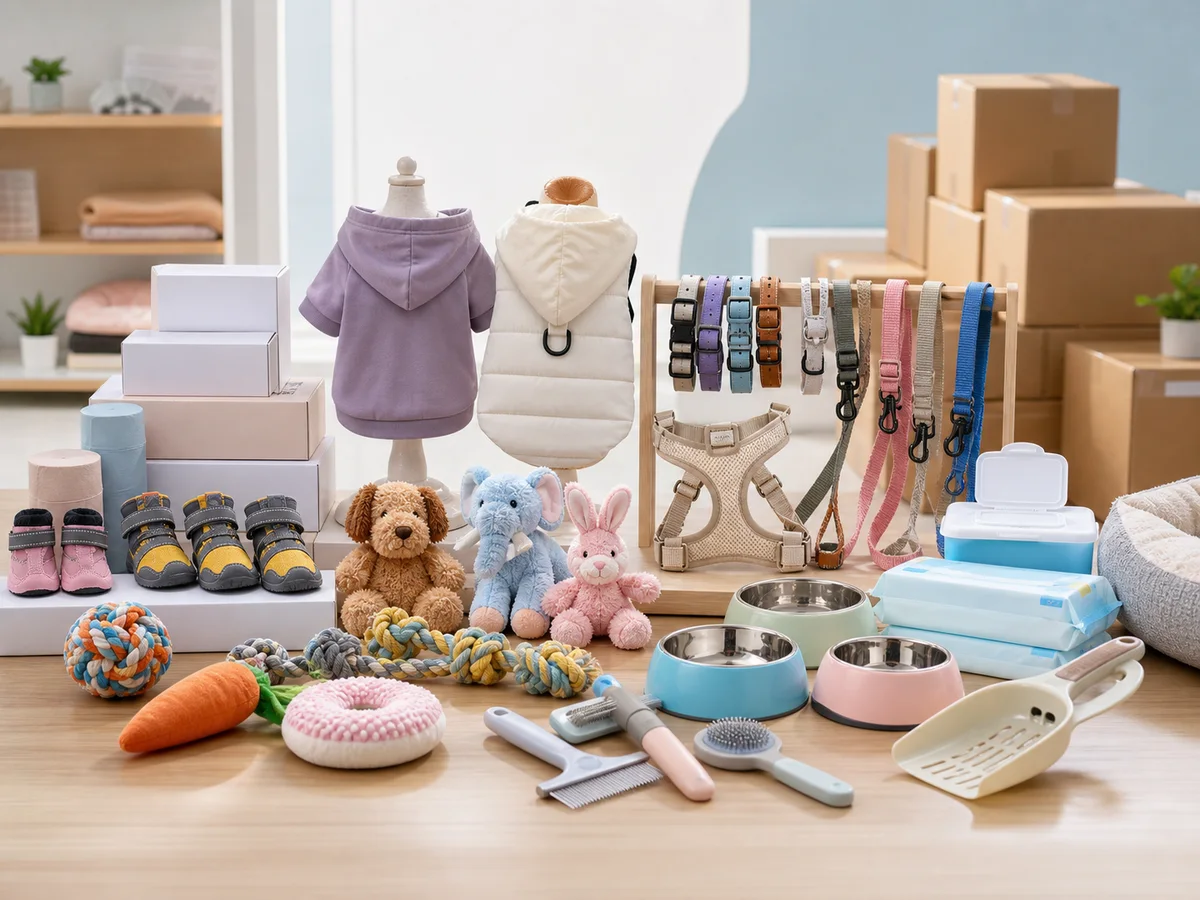
A one-stop procurement platform should not simply collect random product links. A better approach is to turn the buyer's demand into a structured list that suppliers can quote, sample, inspect, pack, and ship. This guide explains how to prepare that list before sending an inquiry to Xinji Pet Supplies.
1. Start with the sales channel, not the product name
The same product can be selected differently depending on the channel. A neighborhood pet store may need dependable daily-use items with moderate MOQ and quick replenishment. An e-commerce brand may care more about photo-ready packaging, compact shipping size, and variant planning. A distributor may need broader category coverage and carton-level consistency. Before building your list, define the channel clearly:
- Pet stores: daily essentials, visible retail packaging, reliable reorder SKUs.
- E-commerce sellers: lightweight products, easy product photography, compact parcel size, clear variant structure.
- Wholesalers and importers: stable pricing, carton efficiency, category depth, and repeatable QC standards.
- Private label brands: packaging design, label language, logo placement, barcode planning, and product positioning.
If you are still deciding the best channel structure, the Buyer Types section can help frame the project by business model.
2. Separate core categories from test categories
A common mistake is treating every requested SKU with the same priority. In real procurement, the first list should separate products into three groups:
- Core SKUs: products you expect to reorder, such as collars, leashes, bowls, waste bags, grooming tools, cat teaser wands, or popular toys.
- Test SKUs: products you want to validate in the market, such as seasonal apparel, new toy formats, travel accessories, or cleaning products.
- Brand-building SKUs: products where packaging, logo, color, and retail presentation matter more than the lowest unit price.
This structure helps us recommend whether an item should go into Dog Supplies, Cat Supplies, Pet Toys, Pet Apparel, or another category.
3. Record specifications in a quote-ready format
For each product, prepare more than a name. A quote-ready line item should include material, size, color, target price level, packaging requirement, estimated quantity, and whether private label is needed. For example, “dog leash” is too broad. A better line is: “nylon dog leash, 1.5 m, black and red, retail hang card, 500 pcs per color, mid-range quality, logo on card.”
For products such as collars, leashes, and harnesses, important details include webbing width, buckle type, reflective strip, stitching, size range, and color set. For feeding and watering products, buyers should define material, capacity, anti-slip design, color, and packaging. For hygiene and disinfection products, buyers should also check local regulatory and labeling requirements before importing.
4. Plan sample rounds before discussing the full order
A good buying list should mark which products need samples and what the sample is supposed to prove. For toys, samples often test material feel, durability, size, color, packaging, and product photo quality. For apparel and dog shoes, samples test sizing, stitching, fabric, closure design, and fit. For grooming tools, samples check grip, metal quality, blade or comb finish, and user safety.
When a project includes many categories, we usually suggest a sample matrix: category, product name, sample purpose, number of variants, approval points, and expected decision date. This makes the sampling and quotation stage more efficient.

5. Group SKUs by packaging and shipping logic
A one-stop pet supplies order is easier to manage when products are grouped by packaging type and shipment behavior. Soft goods, plastic accessories, metal grooming tools, cleaning products, and fragile feeding items should not be treated the same. Some products need inner boxes, some need hang cards, some need polybags, and some need export cartons with stronger protection.
For mixed orders, the shipment plan should consider carton dimensions, weight, product protection, labeling, and whether items can be consolidated. This is why the mixed container supply stage matters. The goal is not only to buy products, but to make the order practical to inspect, pack, and ship.
6. Add compliance and market notes early
Different markets may have different expectations for product labeling, materials, packaging language, barcode format, and import documentation. Buyers should tell us the destination country, sales channel, and any known compliance requirements. For children-facing toy-style products, hygiene items, disinfection products, or items that make functional claims, buyers should verify local rules with their importer, customs broker, or compliance consultant.
Xinji Pet Supplies can help organize product options, supplier communication, packaging coordination, sample comparison, and export delivery, but the importer should always confirm final market-entry requirements.
7. A practical template for your first inquiry
Before sending your buying list, prepare the following information:
- Business type: pet store, distributor, e-commerce seller, importer, or private label brand.
- Target market and sales channel.
- Main categories and estimated number of SKUs.
- Quantity range by product or by category.
- Packaging requirement: neutral, retail-ready, or private label.
- Sample requirements and decision timeline.
- Expected shipment model: small trial order, mixed cartons, or container-level order.
If you already have a spreadsheet, product photos, links, or references, send them through the contact form. We can help turn them into a clearer sourcing plan with category options, MOQ direction, sample route, packaging notes, QC points, and delivery structure.