
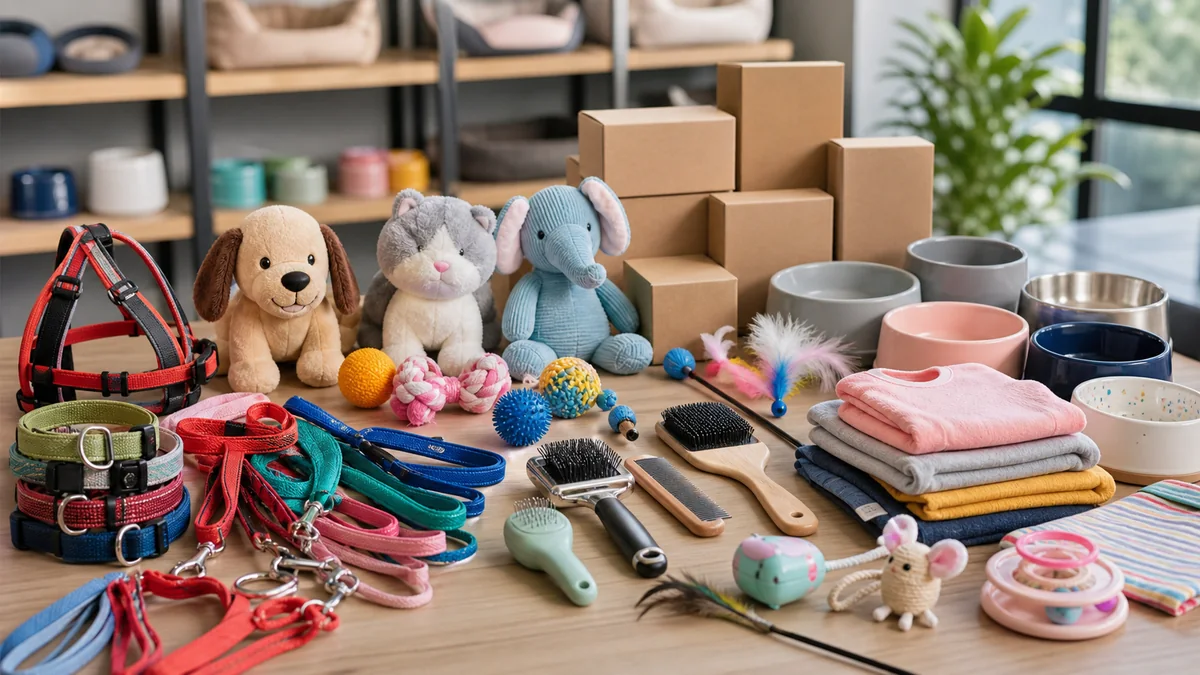
A first mixed pet supplies order helps a buyer test product direction. A reorder decides whether the program becomes profitable. Pet stores and retail chains often start with a broad range of dog supplies, cat supplies, toys, apparel, walking accessories, beds, carriers, feeding products, grooming items, and hygiene products. After the first shipment arrives, the buyer needs a clear method for deciding what to repeat, what to adjust, and what to remove.
This guide focuses on reorder planning after the first test order. It is especially useful for overseas pet stores that need one supplier coordination point for many product categories.
Separate Sales Results from Operational Problems
A slow-selling SKU is not always a bad product. Sometimes the price was wrong, the display location was weak, the packaging was unclear, the color range did not match the market, or the size mix was poor. Before removing a product, review why it underperformed.
- Sales issue: customer demand is weak or the product overlaps too much with existing stock.
- Assortment issue: size, color, or style mix does not fit local buyers.
- Packaging issue: retail information is unclear, display method is weak, or the product does not look giftable.
- Price issue: landed cost leaves too little margin compared with local alternatives.
- Supply issue: lead time, MOQ, or carton volume is not suitable for repeat purchasing.
Only after this review should the buyer decide whether to reorder, adjust, or drop a SKU.
Create Three Reorder Groups
The simplest reorder method is to divide products into three groups.
- Repeat now: SKUs with clear sales movement, acceptable margin, and stable quality.
- Adjust and retest: products with some demand but problems in color, size, packaging, or price.
- Stop for now: products with low demand, high complaint risk, high freight pressure, or poor margin.
This grouping works better than trying to reorder every product in the same quantity. Mixed pet supplies programs need flexible SKU control.
Use Category Balance to Avoid Stock Gaps
Pet stores should not only reorder the best-selling item. If the store sells only toys, it may miss repeat-purchase categories. If it sells only hygiene products, it may lose display appeal. A stronger reorder plan keeps category balance.
Typical reorder structure:
- Daily essentials: bowls, waste bags, grooming tools, simple walking accessories.
- High-visibility display items: plush toys, rope toys, seasonal apparel, colorful collars.
- Space-heavy items: beds, carriers, litter boxes, scratchers, and larger outdoor items.
- Private label items: products where packaging or brand identity improves margin.
- New tests: a small number of new products to keep the range fresh.
For category ideas, compare pet toys, collars, leashes, and harnesses, pet beds and carriers, and grooming and cleaning products.
Adjust Packaging After Real Store Feedback
The first order does not need perfect packaging for every product. The reorder stage is the right time to upgrade packaging for winners. Buyers can move from standard packaging to logo stickers, hang tags, sleeves, printed cards, or retail boxes based on confirmed demand.
Packaging changes should be controlled. If every SKU changes at once, artwork approval and production management become complicated. Start with best sellers or products where brand presentation clearly improves retail value.
Keep a Reorder File for Each SKU
A reorder file avoids repeated communication mistakes. It should include SKU name, product photo, size, color, material, approved sample notes, packaging file, barcode, carton mark, target quantity, and previous issue records. This is especially important when one order contains many factories or product categories.
For private label products, also keep logo files, label language, and approval photos in the reorder file. For mixed containers, add carton size and CBM so the buyer can plan freight capacity early.
Review Lead Time by Product Type
Different pet supplies do not share the same production rhythm. Stock accessories may be quick. Custom colors, printed packaging, apparel sizing, beds, carriers, or molded products may require longer planning. Buyers should not wait until stock is almost gone before reordering slow-production SKUs.
A useful approach is to classify products into short, medium, and long lead-time groups. Then place repeat orders earlier for long lead-time products and use compact accessories to fill shipment gaps.
Reorder Checklist
- Sales movement by SKU and category.
- Margin after freight, duty, and local handling.
- Customer comments and complaint records.
- Packaging or labeling changes needed for reorder.
- MOQ and price changes from the supplier side.
- Carton volume and shipment plan.
- New test products to add to the next container.
- Products to stop or replace.
A strong reorder plan turns a first test into a stable supply program. For buyers who need help coordinating categories, samples, and packaging, send the current buying list through the contact page.